How Plumbing Companies Working with Home Depot & Lowe's Manage Retail Programs
Jun 10
4 min read
Updated: Aug 19

For plumbing contractors, partnering with big-box retailers like Home Depot and Lowe's can transform a local business into a high-volume operation almost overnight. These home improvement giants generate a steady stream of installation work: water heaters, faucets, garbage disposals, whole-home filtration systems, and more that flows directly to the plumbing companies enrolled in their service provider programs.
But landing the partnership is only the beginning. The real challenge lies in managing the complex, fast-moving world of retail installation programs. Here's how successful plumbing companies handle it, and where platforms like ProjectsForce 360° come in.
What Retail Service Programs Actually Look Like

When a customer buys a water heater at Home Depot and adds professional installation at checkout, that job doesn't get installed by Home Depot employees. Instead, it's routed to a vetted third-party plumbing company in the customer's area. The same model applies at Lowe's and most other major home improvement retailers.
For the plumbing company, this means becoming part of a structured ecosystem with strict requirements around:
⏰ Scheduling and response times:
Retailers expect contractors to contact customers within hours, not days, and to complete jobs within tight service windows.
📂 Documentation and compliance:
Permits, licensing, insurance certificates, and proof-of-completion paperwork must be current and accurate at all times.
⭐ Quality standards:
Customer satisfaction scores directly affect a contractor's standing and the volume of work they receive.
🏷️ Standardized pricing:
Labor and materials are often governed by negotiated rate sheets rather than the contractor's own quotes.
The Operational Challenges
Retail programs sound like a goldmine, and they can be but the administrative burden is enormous. Plumbing companies juggling dozens or hundreds of retail jobs at once face several recurring headaches.
01 Order Volume & Data Fragmentation
Work orders arrive through different retailer portals, each with its own login, format, and update cadence. A company working with both Home Depot and Lowe's might be checking multiple systems daily just to know what jobs are coming in. Manually re- entering this information into their own scheduling and accounting software is slow and error-prone.
02 Scheduling and Dispatch
Coordinating technicians across a wide service area, matching the right installer to the right job, and hitting the retailer's required timelines is a constant balancing act. A missed appointment or a slow response can damage a contractor's performance metrics.
03 Compliance Tracking
Every job may require specific permits and inspections depending on local code. Keeping documentation organized and proving it to the retailer is critical to staying in good standing and getting paid.
04 Payment Reconciliation
Retailers pay on their own schedules and rate structures. Matching completed work to payments, catching underpayments, and managing the cash flow gap between job completion and reimbursement requires careful tracking.
How Technology Streamlines Retail Program Management

This is where purpose-built software becomes essential. Rather than stitching together generic tools and spreadsheets, leading plumbing companies use platforms designed specifically for managing retail installation programs.
ProjectsForce 360° is one such platform built to handle the unique demands of working with home improvement retailers. By centralizing the workflow, it helps plumbing companies tackle the core challenges above:
📥
Unified order intake
Pulling work orders from multiple retailer programs into a single dashboard, eliminating the need to monitor separate portals.
🗓️
Automated scheduling and dispatch
Assigning jobs to technicians based on location, availability, and skill, while keeping everyone aligned to retailer service windows.
🗂️
Document and compliance management
Storing permits, licenses, insurance, and completion of records in one place, with reminders before anything expires.
📊
Payment and reporting visibility
Tracking the status of every job from intake through payment, so nothing falls through the cracks.
The goal is simple: let the plumbing company focus on doing great installation work while the software handles the operational complexity that retail programs demand.
Why This Matters for Growing Plumbing Businesses
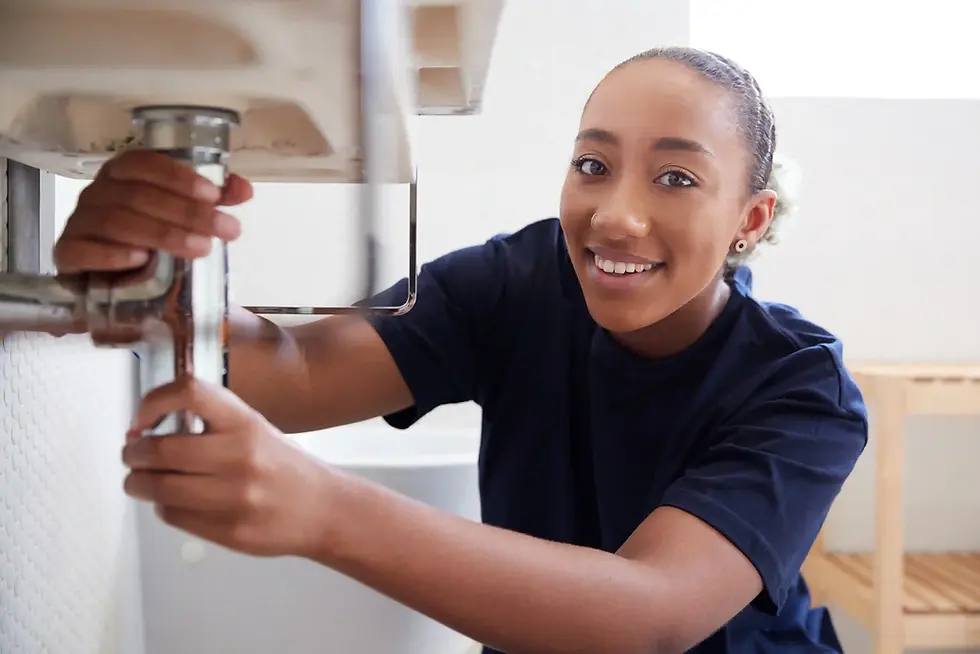
➤ A plumbing company that can efficiently absorb retail volume without drowning in paperwork has a major competitive advantage. The contractors who thrive in Home Depot and Lowe's programs aren't necessarily the biggest, they're the ones with the tightest operations.
➤ Strong performance metrics lead to more work assignments. More work assignments lead to revenue growth. And revenue growth lets the company invest in more technicians and trucks to take on even more volume. Efficient back-office management is the engine that makes this flywhee turn.
➤ For plumbing companies that want to build a serious business around retail installation work, the lesson is clear: treat program management as a core competency, not an afterthought. The right systems and the right software partner can be the difference between a retail program that drains your resources and one that fuels sustainable growth.
Final Thoughts
Working with Home Depot and Lowe's opens the door to consistent, high-volume installation work that many plumbing companies could never generate on their own. But success depends on managing the operational details order intake, scheduling, compliance, and payments with precision and consistency.
Platforms like ProjectsForce 360° exist to remove that friction, giving plumbing contractors the tools to manage retail programs at scale and turn big-box partnerships into long-term, profitable growth.


Comments